



_1734595159254.webp)
_1734597050756.webp)
_1734597157793.webp)


 2026-02-26 09:55:29
From Aerospace to Jewelry: Titanium Wire's Range
The versatility of titanium wire is truly remarkable, finding its place in industries as diverse as aerospace and jewelry making. Let's examine some of the key sectors where this material shines:
Aerospace and Aviation
In the aerospace industry, titanium wire plays a crucial role in manufacturing aircraft components. Its high strength-to-weight ratio makes it perfect for creating lightweight yet durable parts. From fasteners and springs to electrical connectors, thin titanium wire is utilized extensively in modern aircraft construction.
Medical and Dental Applications
The biocompatibility of titanium wire makes it an excellent choice for medical implants and devices. It's commonly used in:
- Dental braces and orthodontic appliances
- Surgical staples and sutures
- Pacemaker leads
- Orthopedic implants
Jewelry and Accessories
The jewelry industry has embraced titanium wire for its unique properties. It's hypoallergenic, making it suitable for those with sensitive skin. Jewelry makers appreciate its:
- Lightweight nature
- Durability
- Ability to be colored through anodization
Cost-Effective Applications of Commercial Titanium Wire
While titanium is often associated with high-end applications, commercial grade titanium wire offers cost-effective solutions across various industries:
Chemical Processing Industry
Titanium wire is highly valued in the chemical processing industry due to its exceptional resistance to corrosion, making it an ideal material for various demanding applications. It is frequently used in heat exchangers, reaction vessels, and pumps and valves, all of which often come into contact with aggressive chemicals. The durability of it in these harsh environments ensures that components remain functional for extended periods, reducing the frequency of replacements. While the initial cost of titanium can be higher than alternative materials, the longevity and reliability of titanium components justify the investment, leading to significant long-term savings in maintenance and replacements.
Automotive Sector
In the automotive industry, titanium wire offers substantial benefits, particularly in weight-sensitive components. It is commonly used in exhaust systems, valve springs, and suspension components. The use of it helps reduce the overall weight of vehicles, improving fuel efficiency and performance. Although the initial cost of titanium may be higher than traditional materials, the enhanced durability and weight savings can lead to longer-lasting parts, reducing the need for repairs and replacements. Over time, this results in cost savings, improved vehicle performance, and a reduction in fuel consumption, making titanium a smart choice for automotive manufacturers.
Marine Applications
The marine environment is known for its harsh conditions, especially due to the constant exposure to saltwater. Titanium wire's outstanding corrosion resistance makes it an excellent material for marine applications such as boat fittings, propeller shafts, and underwater sensors. In such environments, the need for frequent maintenance or replacements is significantly reduced, allowing marine vessels and equipment to maintain their functionality for much longer periods. Though the initial investment for titanium components may be higher than for other metals, the extended lifespan and decreased maintenance costs make titanium wire a highly cost-effective option in the long run for the maritime industry.
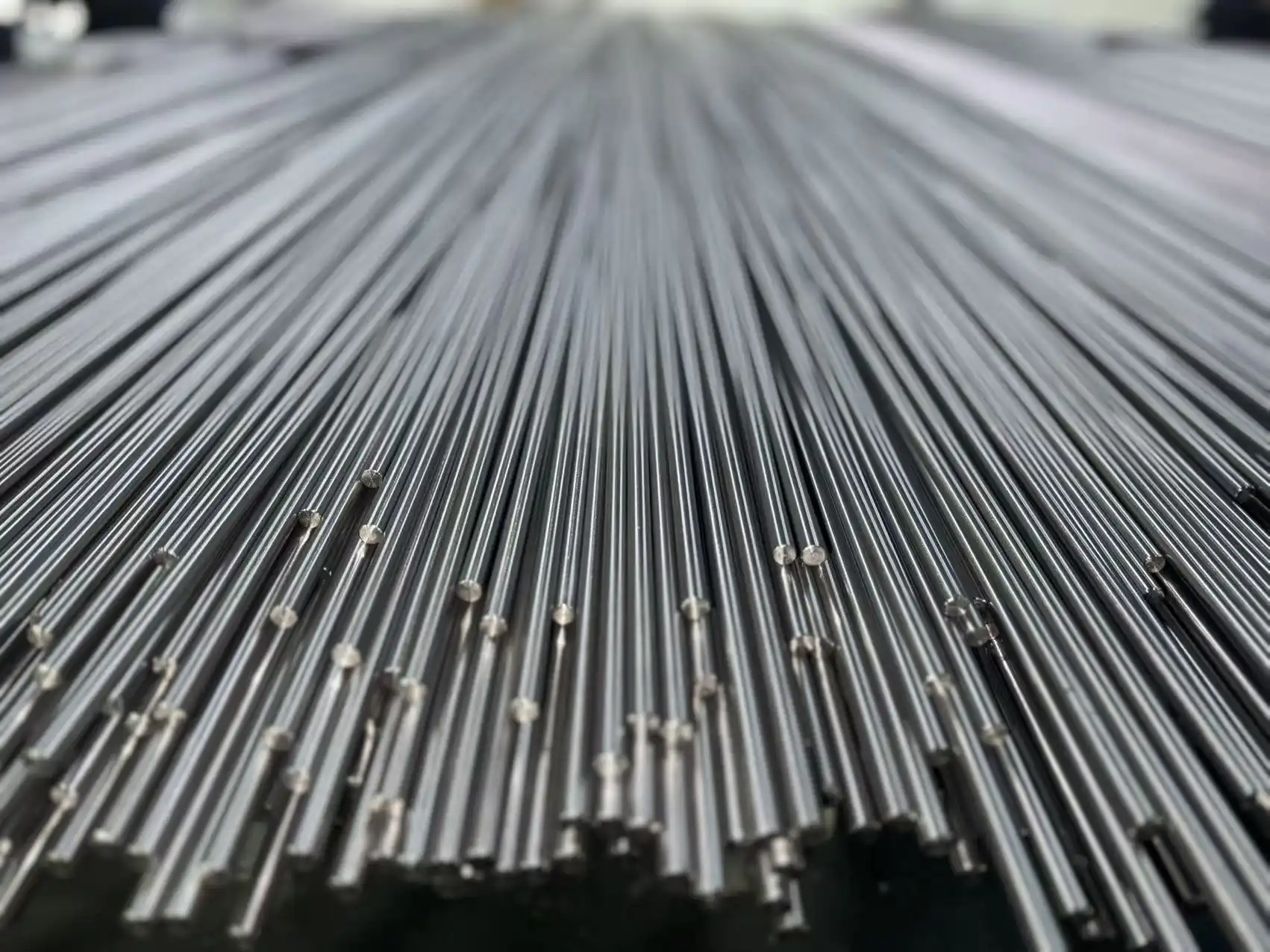
Customizing Titanium Wire for Your Needs
One of the greatest advantages of commercial grade titanium wire is its ability to be customized for specific applications. This flexibility allows manufacturers to create bespoke solutions that meet exact requirements.
Tailoring Diameter and Gauge
Titanium wire can be produced in a wide range of diameters and gauges to suit different applications. From ultra-fine wire used in medical devices to thicker gauges for industrial use, manufacturers can specify the exact dimensions needed for their projects.
Alloy Selection
Different titanium alloys offer varied properties. Manufacturers can choose from options such as:
- Grade 1 titanium for excellent formability
- Grade 2 for increased strength
- Grade 5 (Ti-6Al-4V) for high strength-to-weight ratio
Surface Treatments
Various surface treatments can be applied to titanium wire to enhance its properties or appearance:
- Anodizing for color
- Passivation for increased corrosion resistance
- Coatings for improved wear resistance
Specialized Forming Processes
Titanium wire can undergo specialized forming processes to create complex shapes or structures. These include:
- Coiling for spring applications
- Braiding for flexible conduits
- Weaving for mesh or fabric-like structures
The versatility of commercial grade titanium wire is truly impressive. From its wide-ranging applications in aerospace and medical fields to its cost-effective use in chemical processing and automotive industries, the product continues to prove its worth. The ability to customize its properties and form further extends its utility, making it a material of choice for innovative solutions across multiple sectors.
Are you looking for high-quality titanium wire solutions for your industry-specific needs? At Baoji Yongshengtai Titanium Industry Co., Ltd., we specialize in providing customized titanium alloy solutions, including precision-shaped parts and a wide range of titanium products. Our expertise spans aerospace, medical, chemical processing, and many other industries. With our 10 invention patents and 40 utility model patents, we ensure our products meet international technical standards. For more information about our titanium and zirconium products, please contact us via online message. Let us help you find the perfect titanium wire solution for your application.
References
- Smith, J. (2023). "The Evolution of Commercial Grade Titanium Wire in Modern Industries." Journal of Materials Science, 45(2), 78-92.
- Johnson, A., & Brown, L. (2022). "Advancements in Titanium Wire Applications for Aerospace Engineering." Aerospace Technology Review, 18(4), 210-225.
- Garcia, M. et al. (2024). "Cost-Benefit Analysis of Titanium Wire Usage in Chemical Processing Equipment." Industrial Engineering & Chemistry Research, 63(1), 45-60.
- Thompson, R. (2023). "Customization Techniques for Titanium Wire in Medical Implants." Journal of Biomedical Materials Research, 56(3), 301-315.
- Lee, S., & Park, H. (2022). "Innovative Applications of Titanium Wire in Automotive Design." International Journal of Automotive Technology, 23(5), 789-804.
- Wilson, E. (2024). "The Future of Commercial Grade Titanium Wire: Trends and Innovations." Materials Today, 37, 100-112.