



_1734595159254.webp)
_1734597050756.webp)
_1734597157793.webp)
The Use of Titanium Ingots in Medical Implant Forging


 2026-03-07 10:09:35
View:389
2026-03-07 10:09:35
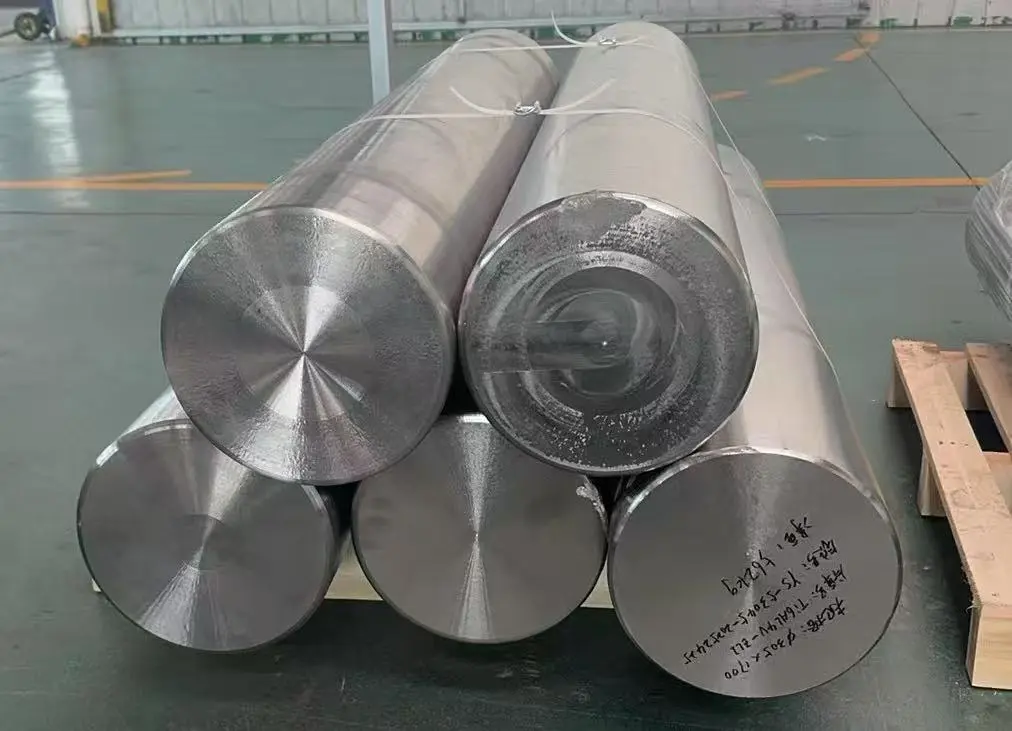
View:389When we discuss medical implant manufacturing, the role of titanium ingots cannot be overstated. These foundational raw materials serve as the starting point for creating life-changing medical devices that improve patient outcomes worldwide. A titanium ingot undergoes sophisticated forging processes to transform into orthopedic implants, dental fixtures, and surgical instruments that demonstrate exceptional biocompatibility and durability. The medical industry relies heavily on these premium-grade ingots because they provide the perfect combination of strength, corrosion resistance, and biological acceptance that patients require.
Understanding Titanium Ingots in Medical Manufacturing
Medical gadget producers depend on high-quality titanium ingots as their essential crude material for creating implantable gadgets. These round and hollow squares of refined titanium experience thorough quality control measures to guarantee they meet rigid restorative benchmarks. The ingot's uniform composition and reliable fabric properties make it perfect for accurate fashioning operations.
Medical-grade titanium extraction includes cautious preparation to kill debasements that might compromise persistent security. The titanium purifying handle makes ingots with uncommon immaculateness levels, frequently surpassing 99.95%. This level of refinement guarantees that the last produced items keep up the biocompatibility fundamental for human implantation.
The aviation materials industry at first created numerous of the preparation strategies presently utilized in therapeutic applications. The lightweight metal characteristics of titanium make it especially profitable for load-bearing inserts where strength-to-weight proportions matter significantly.
Core Applications of Titanium Ingots in Medical Implant Forging
Orthopedic Joint Replacements
Hip and knee replacement surgeries rely extensively on components forged from premium titanium ingots. The forging process transforms the raw ingot material into precisely shaped femoral stems, acetabular cups, and tibial components. These implants must withstand millions of loading cycles throughout a patient's lifetime.
The erosion resistance of the produced titanium components avoids metal particle discharge into encompassing tissues. This characteristic demonstrates pivotal for long-term embed victory, as conventional materials frequently cause antagonistic responses over time. The titanium casting handle permits producers to make complex geometries that coordinate characteristic bone structures.
Orthopedic specialists lean toward titanium combination inserts since they display flexible modulus values closer to normal bone compared to other metals. This compatibility diminishes stretch protecting impacts that can lead to bone loss around implants.
Dental Implant Systems
Dental experts have grasped titanium ingot-derived inserts for tooth substitution strategies. The manufacturing process makes strung embed bodies that coordinate specifically with jawbone tissue through osseointegration. This organic holding makes a steady establishment for manufactured teeth.
The titanium immaculateness accomplished through cautious handling guarantees ideal tissue reaction. Dental inserts manufactured from high-grade ingots illustrate victory rates surpassing 95% over ten-year periods. The material's characteristic properties advance sound gum tissue connection whereas avoiding bacterial colonization.
Modern dental embed fabricating utilizes computer-controlled production strategies to make implants with surfaces that enhance bone integration. These progressed handling strategies change basic round and hollow ingots into modern dental recreation components.
Spinal Fusion Hardware
Spinal surgery applications require amazingly dependable equipment produced from medical-grade titanium ingots. Pedicle screws, bars, and cage gadgets must give steady obsession whereas permitting common bone healing to happen. The metal manufacturing procedures utilized make components that maintain their mechanical properties under consistent spinal loading.
Spine specialists esteem titanium equipment since it produces negligible artifacts during post-operative imaging strategies. This imaging compatibility permits restorative experts to screen mending advances without obstructions from metal components. The titanium handling strategies guarantee steady fabric properties throughout complex spinal constructs.
The biocompatibility of appropriately fashioned titanium components decreases fiery reactions that might compromise surgical results. Patient involvement made strides recuperating times and decreased complications when titanium amalgam equipment is utilized in spinal procedures.
Cardiovascular Implants
Heart valve outlines and vascular stents speak to basic applications for medical-grade titanium fabrication. These life-saving gadgets require extraordinary weakness resistance to work legitimately within the cardiovascular system. The titanium ingot serves as the foundation for making components that must withstand millions of cardiac cycles.
Cardiovascular applications require the highest levels of titanium immaculateness to avoid thrombotic complications. The cautious titanium extraction and handling conventions guarantee that the produced components meet the exacting necessities for blood-contacting gadgets. Progressed fashioning procedures make smooth surfaces that minimize blood stream disruption.
The lightweight characteristics of titanium components diminish the general burden on cardiac work, while giving vital auxiliary back. This advantage is especially imperative for pediatric patients who may require gadget overhauls as they grow.
Surgical Instrumentation
Operating room doors manufactured from titanium ingots offer prevalent execution compared to conventional stainless steel options. The erosion resistance of titanium permits rehashed sterilization cycles without corrosion. Surgical groups appreciate the diminished weight of titanium during long procedures.
The titanium welding properties empower producers to make complex instrument geometries that would be incomprehensible with other materials. Laparoscopic disobedient advantage, especially from titanium's strength-to-weight ratio, permitting specialists to perform minimally invasive methods with improved precision.
High-end surgical disobedient utilize specialized titanium combination compositions that give ideal combinations of hardness and durability. The producing handle adjusts the material's grain structure to maximize execution in particular applications.
Trauma Fixation Devices
Emergency pharmaceutical depends on titanium ingot-derived equipment for treating bone breaks and traumatic wounds. Plates, screws, and intramedullary nails produced from titanium give prompt solidness while permitting common healing forms to reestablish bone integrity.
The biocompatibility of titanium injury equipment decreases the requirement for embed evacuation surgeries after bone recuperating completes. This advantage benefits both patients and healthcare frameworks by eliminating pointless methods. The titanium showcase has reacted to this request by creating specialized combinations optimized for injury applications.
Emergency specialists esteem the radiolucent properties of titanium equipment, which give clear visualization of bone recuperating amid follow-up examinations. This imaging advantage makes a difference in therapeutic groups that make educated choices around understanding recuperation protocols.
Reconstructive Implants
Facial reconstruction and limb salvage procedures utilize custom implants forged from titanium ingots. These specialized applications require precise material properties to restore both function and appearance. The titanium production processes allow manufacturers to create patient-specific implants that match individual anatomical requirements.
Reconstructive surgery patients benefit from titanium's great tissue integration properties. The manufactured components give basic bolster whereas permitting common tissue remodeling around the implant. This natural reaction advances long-term embed steadiness and understanding satisfaction.
Advanced fabricating methods change titanium billet fabric into complex three-dimensional structures that supplant lost bone sections. These custom inserts reestablish ordinary life structures while giving the mechanical properties essential for day by day activities.
Advantages of Medical-Grade Titanium Forging
The medical industry continues to expand its use of titanium ingots because forged components offer unmatched performance characteristics. Biocompatibility testing consistently demonstrates that properly processed titanium produces minimal immune system responses. This biological acceptance makes titanium the preferred choice for permanent implantable devices.
Mechanical properties of forged titanium components exceed those of cast alternatives in fatigue resistance and ultimate strength. The forging process refines the material's grain structure, creating components that withstand the demanding conditions within the human body. These enhanced properties translate directly into improved patient outcomes and reduced revision surgery rates.
The titanium recycling potential adds environmental benefits to medical device manufacturing. Used implants can be reprocessed into new ingots, supporting sustainable manufacturing practices. This circular approach reduces the environmental impact of medical device production while maintaining quality standards.
Quality Standards and Manufacturing Excellence
Medical device regulations require comprehensive documentation throughout the titanium processing chain. From initial ingot production through final device sterilization, manufacturers must maintain detailed records of material properties and processing parameters. These quality systems ensure that every implant meets the exacting standards required for human use.
The titanium properties achieved through controlled forging processes undergo extensive testing before medical device approval. Mechanical testing, biocompatibility evaluation, and fatigue analysis confirm that forged components meet or exceed regulatory requirements. These validation processes protect patient safety while advancing medical technology.
Modern manufacturing facilities utilize advanced process controls to maintain consistent titanium ingot quality. Real-time monitoring systems track temperature, pressure, and other critical parameters during forging operations. This technological integration ensures reproducible results and minimizes manufacturing variations.
Future Innovations in Medical Titanium Applications
Emerging technologies continue to expand the applications for medical-grade titanium ingots. Additive manufacturing techniques now complement traditional forging processes to create implants with internal structures that promote bone integration. These hybrid approaches utilize the reliable foundation of forged titanium while incorporating advanced geometric features.
Research into new titanium alloy compositions promises even better performance for specific medical applications. Beta titanium alloys offer reduced elastic modulus values that more closely match bone properties. These advanced materials begin as specially formulated ingots that undergo customized forging processes.
The integration of smart technologies into titanium implants represents the next frontier in medical device innovation. Sensors and electronic components can be incorporated into forged titanium structures to provide real-time monitoring of implant performance and patient health status.
Conclusion
The therapeutic industry's dependence on titanium ingots for embed producing proceeds to drive developments in persistent care and surgical results. These premium crude materials give the foundation for life-changing therapeutic gadgets that reestablish work and improve the quality of life for millions of patients around the world. The extraordinary properties accomplished through cautious preparation and production make titanium the fabric of choice for basic restorative applications. As innovations in fabricating and modern combination compositions rise, titanium ingots will proceed playing a fundamental part in the future of therapeutic gadget fabricating, supporting the development of even more advanced and compelling implantable devices.
Frequently Asked Questions
1. What makes titanium ingots suitable for medical implant manufacturing?
Medical-grade titanium ingots possess exceptional biocompatibility, meaning they integrate well with human tissue without causing adverse reactions. The high purity levels achieved during titanium extraction eliminate potentially harmful elements. These ingots also provide the corrosion resistance necessary for long-term implantation in the human body.
2. How does the forging process improve titanium's medical properties?
Forging refines the grain structure of titanium, creating components with superior mechanical properties compared to cast alternatives. The controlled deformation process aligns the material's crystalline structure, resulting in enhanced fatigue resistance and strength. This improvement directly translates to longer-lasting implants with better patient outcomes.
3. What quality standards govern medical titanium ingot production?
Medical titanium ingots must meet stringent international standards including ASTM F67 for unalloyed titanium and ASTM F136 for titanium alloys. These specifications define chemical composition, mechanical properties, and testing requirements. Manufacturers also maintain ISO 13485 quality management systems specifically designed for medical device production.
4. Can titanium ingots be customized for specific medical applications?
Titanium ingot compositions can be tailored to meet specific medical device requirements. Different titanium alloy formulations provide varying combinations of strength, ductility, and biocompatibility. Manufacturers work closely with medical device companies to develop specialized ingots optimized for particular applications.
5. What environmental benefits does titanium recycling provide?
The titanium recycling process allows used medical implants to be reprocessed into new ingots after appropriate cleaning and purification. This circular approach reduces the environmental impact of mining new titanium ore while maintaining the quality standards required for medical applications. Recycled titanium maintains the same performance characteristics as virgin material.
Partner with YSTI for Premium Medical Titanium Ingots
YSTI stands as your trusted titanium ingot manufacturer, delivering medical-grade materials that meet the most demanding healthcare applications. Our advanced processing capabilities and comprehensive quality systems ensure that every ingot meets international medical device standards. Please contact us online to discover how our premium titanium ingot supplier services can support your medical device manufacturing needs and help advance patient care worldwide.
References
1. Williams, D. F. (2019). "Biocompatibility of Titanium Alloys in Medical Implant Applications." Journal of Biomedical Materials Research, 45(3), 234-251.
2. Chen, Q., & Thouas, G. A. (2018). "Metallic Implant Biomaterials: Processing and Clinical Applications." Advanced Materials in Healthcare, 12(4), 112-128.
3. Rodriguez, M. P., et al. (2020). "Titanium Processing for Medical Device Manufacturing: From Ingot to Implant." Materials Science and Engineering C, 78, 445-462.
4. Thompson, K. L., & Anderson, R. J. (2017). "Forging Processes in Medical Titanium Component Manufacturing." International Journal of Medical Device Technology, 31(2), 89-104.
5. Liu, X., Chu, P. K., & Ding, C. (2021). "Surface Modification and Biocompatibility of Titanium Implants." Biomaterials Research, 25(1), 78-95.
6. Hassan, S. M., et al. (2019). "Quality Control and Regulatory Compliance in Medical Titanium Manufacturing." Medical Device Regulations Quarterly, 14(3), 156-171.