



_1734595159254.webp)
_1734597050756.webp)
_1734597157793.webp)


 2026-02-26 09:53:36
Hot rolling process: Step-by-step guide
Hot rolling is a metalworking technique that involves deforming metal at temperatures above its recrystallization point. For zirconium alloy plates, this process is vital in achieving desired mechanical properties and dimensions. Let's examine the steps involved in hot rolling zirconium alloys:
Preheating the zirconium alloy ingot
The process begins with heating the zirconium alloy ingot to temperatures typically ranging between 800°C and 1000°C. This temperature range ensures the metal is malleable enough for deformation while avoiding excessive oxidation.
Initial breakdown rolling
Once heated, the ingot passes through a series of rollers that apply pressure to reduce its thickness. This initial phase, known as breakdown rolling, transforms the ingot into a more manageable slab.
Intermediate rolling
The slab undergoes further thickness reduction through multiple passes between rollers. During this stage, the material's grain structure begins to elongate in the rolling direction.
Finish rolling
The final rolling passes determine the plate's ultimate thickness and surface finish. Precise control over rolling parameters is crucial to achieve the desired specifications for the zirconium 702 plate.
Cooling and post-processing
After rolling, the plate is cooled in a controlled manner to prevent warping and ensure uniform properties. Subsequent heat treatments may be applied to optimize the material's microstructure and mechanical characteristics.
Advantages of hot rolling zirconium alloys
Hot rolling offers several benefits when working with zirconium alloys, contributing to the superior performance of the resulting plates. Let's explore these advantages in detail:
Enhanced formability
The elevated temperatures during hot rolling significantly improve the formability of zirconium alloys. This increased malleability allows for greater thickness reduction and the ability to produce complex shapes without risking material failure.
Refined grain structure
Hot rolling induces dynamic recrystallization, resulting in a refined and more uniform grain structure. This refinement enhances the mechanical properties of the zirconium alloy plate, including improved strength and ductility.
Reduced processing forces
Compared to cold rolling, hot rolling requires lower forces to achieve the same level of deformation. This reduction in processing forces translates to lower energy consumption and less wear on equipment, making it a more economical option for large-scale production.
Minimized residual stresses
The high temperatures involved in hot rolling help to alleviate internal stresses that may have developed during previous processing steps. This stress relief contributes to improved dimensional stability and reduced risk of warping in the final product.
Versatility in alloy composition
Hot rolling is particularly advantageous when working with zirconium alloys that may be challenging to process at room temperature. The technique allows for the successful fabrication of plates from a wide range of zirconium alloy compositions, including those with higher alloying element contents.
Comparing hot-rolled vs cold-rolled zirconium plates
While hot rolling is a prevalent method for producing zirconium alloy plates, it's essential to understand how it compares to cold rolling. Both techniques have their merits and are suited for different applications.
Mechanical properties
Hot-rolled zirconium plates generally exhibit lower yield strength and higher ductility compared to their cold-rolled counterparts. This characteristic makes hot-rolled plates ideal for applications requiring good formability and impact resistance.
Surface finish
Cold-rolled zirconium alloy plates typically have a smoother surface finish due to the work hardening effect and absence of oxide scale formation. Hot-rolled plates may require additional surface treatments to achieve comparable smoothness.
Dimensional accuracy
Cold rolling allows for tighter dimensional tolerances due to the absence of thermal expansion and contraction during processing. Hot-rolled plates may require additional machining or finishing operations to meet stringent dimensional requirements.
Residual stress
Hot-rolled zirconium plates generally have lower residual stresses compared to cold-rolled plates. This characteristic can be advantageous in applications where dimensional stability is crucial.
Grain structure
Hot rolling tends to produce a more equiaxed grain structure, while cold rolling results in elongated grains. The choice between the two depends on the specific property requirements of the intended application.
Conclusion
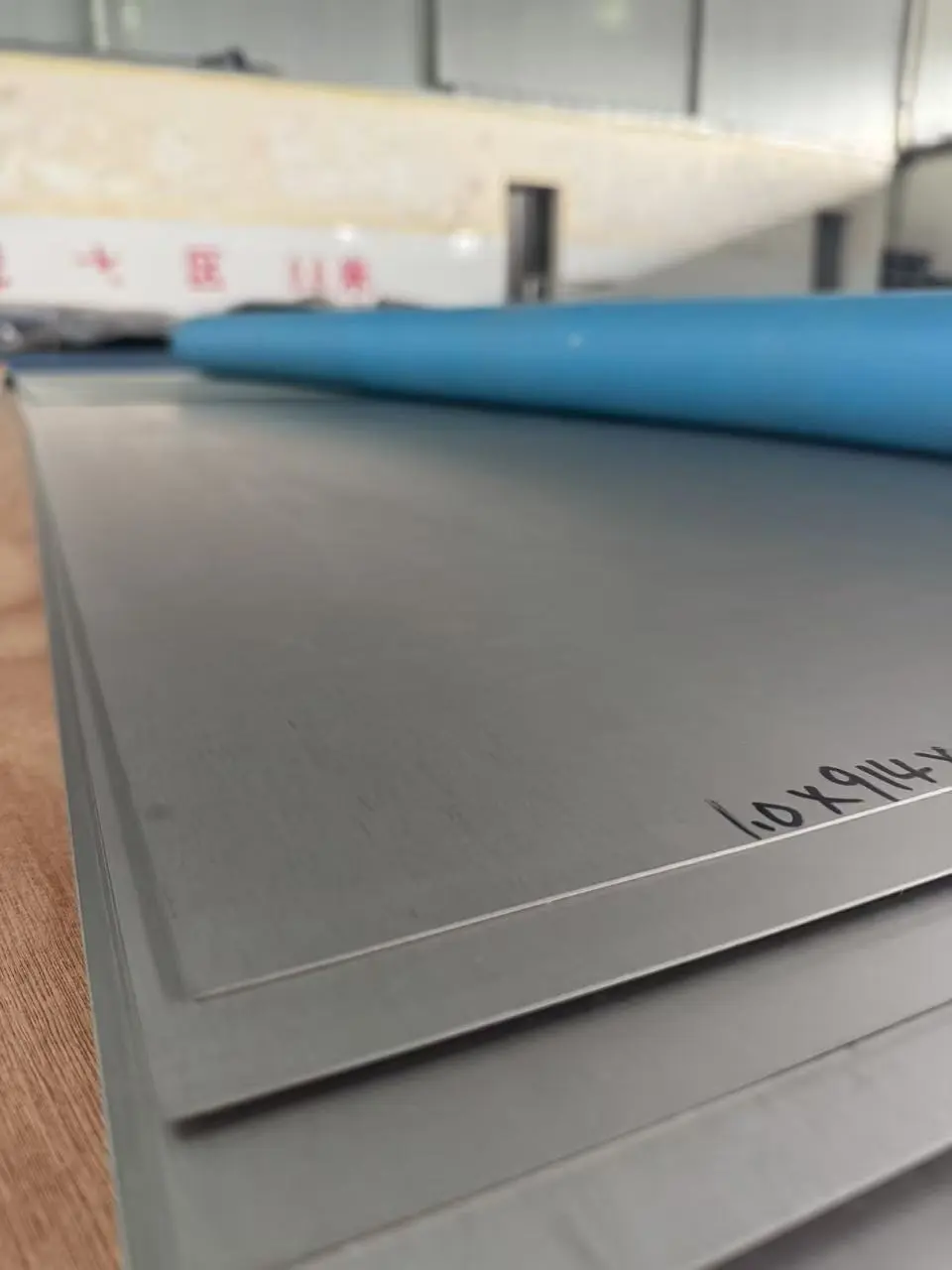
In conclusion, hot rolling is an essential technique in the production of zirconium alloy plates, offering numerous advantages in terms of formability, microstructure control, and processing efficiency. Understanding the nuances of this process and how it compares to alternative methods is crucial for selecting the most appropriate manufacturing approach for specific zirconium alloy applications.
Are you in need of high-quality zirconium alloy plates for your industrial applications? Look no further than Baoji Yongshengtai Titanium Industry Co., Ltd. As a national high-tech enterprise specializing in titanium and zirconium products, we offer cutting-edge solutions tailored to meet the unique needs of industries such as aerospace, chemical processing, and energy. Our extensive range of zirconium products, including Zr702 plates, is manufactured to the highest international standards. Whether you require corrosion-resistant materials for chemical reactors or high-performance components for advanced industrial applications, our team of experts is ready to assist you. Contact us by leaving a message online to discuss your specific requirements and discover how our zirconium alloy plates can enhance your operations.
References
1. Smith, J.R. (2019). "Advances in Zirconium Alloy Processing Techniques." Journal of Materials Engineering and Performance, 28(4), 2145-2158.
2. Chen, Y. et al. (2020). "Microstructure and Mechanical Properties of Hot-Rolled Zirconium Alloy Plates." Materials Science and Engineering: A, 772, 138709.
3. Johnson, L.M. (2018). "Comparative Analysis of Hot and Cold Rolling Processes for Zirconium Alloys." International Journal of Metalworking Technology, 12(3), 87-102.
4. Wang, X. and Li, Z. (2021). "Optimization of Hot Rolling Parameters for Zr-702 Alloy Plates." Journal of Alloys and Compounds, 858, 157653.
5. Brown, A.K. et al. (2017). "Effect of Rolling Temperature on the Microstructure Evolution of Zirconium Alloys." Acta Materialia, 135, 122-137.
6. Davis, R.T. (2022). "Industrial Applications of Hot-Rolled Zirconium Alloy Plates in Corrosive Environments." Corrosion Science, 195, 109958.