



_1734595159254.webp)
_1734597050756.webp)
_1734597157793.webp)
How Is the Corrosion Resistance of Titanium Rods Evaluated?


 2026-06-30 15:35:18
View:389
2026-06-30 15:35:18
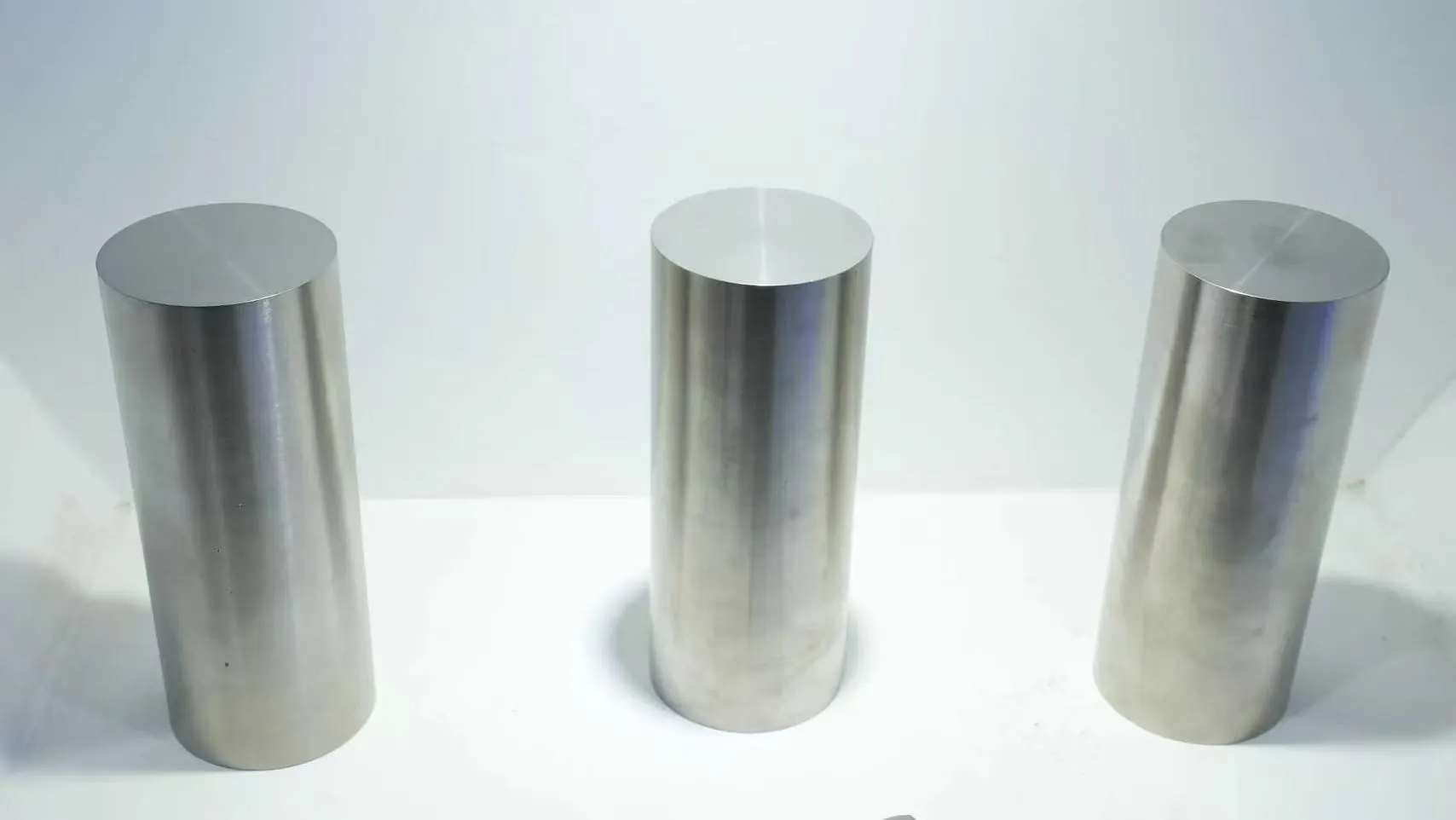
View:389Comprehensive testing procedures that look at how well the materials work in a range of weather situations are used to figure out how resistant they are to corrosion. Standardized tests, such as electrical testing, immersion studies, and salt spray exposure, are used to make these judgments as real as possible. Titanium rod examples are put through a strict test based on ASTM B348 and ISO standards. This tests how well they can keep their structure when exposed to substances that are toxic. During the evaluation process, things like the alloy's makeup, surface treatments, and environmental factors are looked at to see if the material is suitable for certain commercial uses that need excellent corrosion protection.
Introduction to Titanium Rod Corrosion Resistance
Engineers over businesses must distinguish corrosion-resistant titanium. Its steady oxide layer shields against unforgiving situations, beating steel or aluminum. This strength anticipates disastrous disappointments, making titanium basic where fabric astuteness is critical.
Understanding the Science Behind Titanium's Protective Properties
Titanium bar products stand up to erosion due to self-healing TiO₂ movies, 2–5 nm thick. When broken, these layers recover consequently, incredibly expanding benefit life. The oxide film remains steady over a wide pH extend, from acidic to fundamental, making titanium perfect for requesting chemical preparing applications.
Key Properties That Define Performance Standards
When choosing mechanical titanium, key qualities incorporate moo thickness (4.51 g/cm³), tall strength-to-weight proportion, and non-magnetic properties. Commercial immaculateness grades like Review 2 offer ductile quality over 345 MPa and surrender quality over 275 MPa, guaranteeing solidness in requesting environments.
Industry Applications Driving Demand for Corrosion-Resistant Materials
Titanium poles are broadly utilized in aviation for lightweight, corrosion-resistant parts that boost security and fuel productivity. Restorative inserts and devices depend on biocompatible, non-toxic titanium that bonds with human tissue. In chemical plants, titanium withstands unforgiving situations where other metals come up short, making it perfect for boilers and warm exchangers.
Common Methods and Standards to Evaluate Corrosion Resistance of Titanium Rods
Standardized testing methods make it possible to get a good idea of how well titanium rods work in corrosive conditions. These methods make sure that the results are always the same and can be repeated. This lets people make smart choices about which materials to use in a wide range of business settings.
Traditional Testing Approaches for Material Assessment
ASTM B117 salt spray testing is widely used to assess rust resistance. Titanium rods are exposed to a 5% sodium chloride mist at high temperature, simulating ocean conditions. Immersion testing is also common: samples are placed in acidic media for set periods to measure degradation rates.
Standardized submersion strategies test how well titanium works in diverse chemical conditions, such as arrangements of hydrochloric corrosive, sulfuric corrosive, and sodium hydroxide. As a rule, tests final anyplace from 240 hours for essential screening to 2000 hours for full, long-term exams. These longer introduction times appear conceivable disappointment modes that might not be clear amid shorter testing rounds.
Advanced Electrochemical Evaluation Techniques
Potentiodynamic polarization testing applies controlled possibilities to titanium tests whereas checking current. It uncovers erosion and setting possibilities, furthermore passivation current thickness. Polarization bends give exact, comparable information on how titanium sorts and forms stand up to erosion and shape defensive films.
Electrochemical Impedance Spectroscopy (EIS) is a best strategy for surveying oxide movies and erosion. It applies little AC signals over frequencies to uncover film characteristics, charge exchange resistance, and double-layer capacitance. With short-term EIS information, analysts can foresee long-term fabric execution accurately.
International Standards Ensuring Testing Consistency
ASTM Worldwide gives key titanium testing benchmarks, counting ASTM B348 (common) and ASTM G31 (lab erosion). ISO 10271 covers controlled-atmosphere rust testing, whereas MIL-T-9047 addresses military air ship needs. These rules guarantee uniform example prep, testing conditions, and acknowledgment criteria over labs.
Standard methods guarantee YSTI gives exact execution information for fabric choice. Labs must entirely control temperature, arrangement equations, and presentation times for substantial comparisons. Customary calibration and round-robin testing defend estimation precision and guarantee reliable comes about over laboratories.
Factors Influencing Titanium Rod Corrosion Resistance
There are a part of components that influence how well titanium materials stand up to erosion in work settings. When engineers know around these things, they can select the best materials and surface forms for diverse jobs.
Chemical Composition and Alloy Grade Effects
Titanium's erosion resistance is, to a great exten,t due to its amalgam composition. CP Grades 1–4 contain beneath 0.5% alloying components, advertising amazing rust security. Review 2 is the most broadly utilized for common applications, adjusting formability, weldability, and erosion resistance.
Alloyed titanium includes components for quality but may decrease erosion resistance. Ti-6Al-4V (Review 5) is solid but powerless in lessening conditions. Review 7 incorporates palladium, boosting resistance whereas holding mechanical properties. Composition contrasts request cautious choice based on the working environment.
Surface Treatment and Finishing Process Impact
Surface prep and wrapping up straightforwardly influence rust resistance by impacting oxide film soundness. Mechanical strategies like crushing or shot peening may present contaminants or stresses. Appropriate treatment incorporates degreasing, nitric-hydrofluoric corrosive pickling, and passivation—all basic for shaping a solid, defensive oxide layer.
Annealing at 650–750°C in vacuum kills surface defilement and remaining stresses that cause rust. It advances uniform grain development. Controlled cooling advance refines the microstructure, improving the erosion resistance of the last product.
Environmental Conditions and Their Effects
Temperature significantly impacts titanium erosion rates and components. Whereas titanium bars stand up to erosion at room temperature, tall warm quickens certain disappointments. In chloride situations over 80°C, cleft erosion can start, requiring cautious fabric choice and plan consideration.
pH unequivocally impacts erosion. Titanium stands up to rust from pH 1–12, but hot hydrochloric corrosive or hydrogen-producing situations may require superior amalgams. Oxidizing species stabilize defensive oxide movies, improving resistance. Diminishing conditions, be that as it may, can diminish performance.
Comparative Analysis with Alternative Materials
Titanium rods outperform 316L stainless steel in salt-rich environments. While 316L is prone to pitting in saltwater, titanium resists chlorine corrosion almost entirely. Its higher initial cost is offset by superior performance, reduced maintenance, and extended service life.
Aluminum is lighter than titanium but prone to galvanic corrosion in coastal areas and can’t withstand high heat. Titanium resists this corrosion better. Nickel alloys handle high-temperature rust well but are costlier and less dense than titanium.
Practical Applications and Case Studies Demonstrating Corrosion Resistance
Performance data from different industries shows that titanium rod materials are very resistant to rust even under tough working conditions. The fact that these uses are still valid shows that the material can keep its shape and structure over long functional periods.
Aerospace Industry Success Stories
Titanium's durability under mechanical and environmental stress is proven in commercial flight. Landing gear components made from Ti-6Al-4V titanium bars withstand high stress, temperature shifts, and de-icing agents. Data from major manufacturers show well-designed titanium parts exceed 30,000 flight cycles with minimal corrosion.
Titanium’s strength and corrosion resistance are proven in commercial flight. Landing gear components made from Ti-6Al-4V endure high stress, temperature swings, and de-icing agents. Data from major manufacturers shows well-designed titanium parts exceed 30,000 flight cycles with minimal corrosion or wear.
Chemical Processing Equipment Performance
In chlor-alkali plants, titanium rods serve as electrode hangers, supports, and heat exchanger parts. They withstand aggressive sodium hypochlorite, chlorine, and caustic solutions that degrade ordinary materials. Fifteen years of data confirm minimal material loss and no structural failures when correctly designed.
Titanium Grade 2 bars resist seawater corrosion for over 25 years in desalination plants. Tube supports and structural parts keep their shape and strength without cathodic protection. Compared to stainless steel, titanium lasts 5–10 times longer, offering a maintenance-free, durable solution for marine environments.
Marine Engineering Applications
Titanium rods are used in offshore platforms for critical parts exposed to seawater and hydrocarbons. Pure titanium components—like riser tensioners, valve stems, and bolts—perform excellently in harsh conditions. Cost studies show that despite higher initial expense, long-term savings come from reduced maintenance and extended service life.
Naval uses include propeller shafts, ship penetrations, and parts of seawater systems that need to be resistant to rust. Performance data from underwater uses shows that titanium parts keep their shape and don't rust even after being submerged for long periods of time. Titanium is useful in military uses where reducing magnetic signatures is important because it is not magnetic.
How to Procure Corrosion-Resistant Titanium Rods for Your Business?
To successfully buy high-performance titanium rod materials, you need to carefully look at the skills of the suppliers, the details of the products they offer, and their quality control methods. Building relationships with reputable makers guarantees consistent material quality and dependable supply times for important uses.
Supplier Evaluation Criteria and Manufacturing Capabilities
Manufacturing skills are key when choosing titanium rod suppliers, ensuring product quality and consistency. Advanced VAR facilities guarantee material purity and uniform chemical structure. Secondary methods like electron beam melting provide extra quality assurance for critical applications requiring maximum clarity.
Suppliers certified to ISO 9001, AS9100, or industry-specific standards demonstrate commitment to consistent quality. YSTI holds ISO9001, AS9100D, and MIL-T-9047, meeting strict aerospace and defense requirements. These certifications require third-party audits and continuous improvement programs that verify manufacturing quality controls.
The supplier's in-house lab speeds up material qualification. Chemical, mechanical, and non-destructive tests are done on-site to verify each batch before shipping. Advanced tools—optical emission spectrometers, universal testing machines, and ultrasonic systems—deliver precise data, reducing wait times for custom orders while ensuring consistent quality.
Understanding Specifications and Grade Selection
When selecting a titanium grade, consider mechanical properties, corrosion resistance, and manufacturability. Commercial purity grades offer excellent corrosion resistance and formability for general use. Alloyed grades provide superior strength for structural applications. YSTI supplies GR1–GR23 and specialty alloys like Ti-6Al-4V ELI for medical use.
Define dimensions considering post-machining and final part requirements. Titanium rods typically range 1–400 mm wide, up to 6000 mm long; special sizes are readily available. Clearly state tolerances, surface finish, and straightness criteria to ensure supplied materials meet application needs without excessive rework.
Procurement Best Practices and Supply Chain Management
Long-term supplier ties ensure stable materials, pricing, and expertise. YSTI's global network and inventory tools guarantee fast, reliable supply. Flexible order policies support everything from prototypes to mass production.
Due to highly specialized production, lead time planning is critical when buying titanium. Standard grades take 4–6 weeks; custom specs can stretch to 8–12 weeks depending on complexity. Early supplier involvement ensures specs and delivery timelines are aligned with project needs.
For aerospace, medical, and nuclear applications, documentation must include material approval and full traceability. Suppliers provide chemistry analysis, mechanical data, and processing history per lot. YSTI's traceability system manages all paperwork—from raw material to finished product—ensuring compliance with the strictest legal standards.
Conclusion
Standardized testing methods are used to check how resistant titanium rods are to corrosion. This information is needed to make smart material choices in hard industry settings. When procurement workers know about the different testing methods, such as standard salt spray exposure and more advanced electrochemical techniques, they can correctly read performance data and choose materials that meet specific operational needs. Titanium materials have great corrosion protection in marine, aircraft, and chemical processing uses. This proves that they work better than other materials and makes the investment worth it because they last longer and cost less to maintain.
FAQ
1. What titanium grades offer the best corrosion resistance?
The commercial pure grades, especially Grade 1 and Grade 2, are very resistant to rust in a wide range of settings. With the addition of palladium, Grade 7 is more resistant to reducing acid conditions, where other grades might rust more quickly. The choice is based on the unique conditions of the surroundings and the necessary mechanical properties for the purpose.
2. How does titanium compare to stainless steel in corrosive environments?
Titanium is more resistant to rust than stainless steel in chloride-containing settings. This means that you don't have to worry about pitting and crevice corrosion, which are problems that often happen with 316L stainless steel. Even though stainless steel may be cheaper at first, titanium often has lower lifecycle costs for important uses because it lasts longer and needs less maintenance.
3. Can surface treatments enhance titanium rod corrosion resistance?
By making the oxide film development better, the right surface processes, such as controlled atmosphere annealing and passivation, make things much more resistant to rust. These processes get rid of surface dirt and help a stable, even oxide layer form, which protects against corrosion the best in service settings.
Partner with YSTI for Superior Titanium Rod Solutions
You can trust YSTI to make titanium rods that are made of high-quality materials that won't rust and meet the strictest industry standards. Our wide range of products includes all the main types, from industrial purity to specific alloys. They are made under strict quality controls and have been certified by international organizations like ISO9001 and AS9100D. We offer unique solutions for aircraft, medical, chemical processing, and marine uses based on our more than 30 years of experience and advanced testing tools. Contact us via online message or our technical team at YSTI about your unique titanium rod needs and enjoy the benefits of working with a top titanium rod provider that cares about quality, innovation, and customer satisfaction.
References
1. Davis, J.R. (2003). Handbook of Materials for Medical Device Design. ASM International Materials Engineering Series.
2. Schutz, R.W. & Thomas, D.E. (1987). Corrosion of Titanium and Titanium Alloys. Metals Handbook, 9th Edition, Volume 13: Corrosion.
3.Boyer, R., Welsch, G., & Collings, E.W. (1994). Materials Properties Handbook: Titanium Alloys. ASM International.
4. Covington, L.C. (1979). The Influence of Surface Condition and Environment on the Hydriding of Titanium. Corrosion Science, 35(8), 1121-1126.
5.Sedriks, A.J. (1996). Corrosion of Stainless Steels: Electrochemical Behavior and Corrosion Resistance of Titanium. John Wiley & Sons.
6. Fontana, M.G. & Greene, N.D. (1986). Corrosion Engineering: Titanium and Titanium Alloy Applications. McGraw-Hill Book Company.