



_1734595159254.webp)
_1734597050756.webp)
_1734597157793.webp)


 2026-02-26 10:01:17
Optimal Cutting Tools for Zirconium
Selecting the right cutting tools is paramount when machining zirconium forgings. The material's unique characteristics demand specific tooling considerations to ensure efficient and precise machining processes.
Carbide Tools: The Go-To Choice
Carbide tools have proven to be highly effective when working with zirconium forgings. Their exceptional hardness and wear resistance make them ideal for tackling the challenges posed by this material. When choosing carbide tools, opt for those with a fine grain structure and sharp cutting edges to minimize the risk of workpiece damage.
Coated Tools for Enhanced Performance
Coated cutting tools can significantly improve machining outcomes when working with zirconium from a zirconium supplier. Titanium nitride (TiN) and titanium aluminum nitride (TiAlN) coatings are particularly beneficial, as they reduce friction and heat generation during the cutting process. This results in extended tool life and improved surface finish quality.
Tool Geometry Considerations
The geometry of cutting tools plays a crucial role in zirconium machining. Tools with positive rake angles and sharp cutting edges are recommended to minimize cutting forces and reduce the risk of work hardening. Additionally, tools with chip breakers can help manage chip formation and evacuation, preventing issues such as built-up edge and surface quality degradation.
Temperature Control During Machining
Effective temperature management is essential when machining zirconium forgings. The material's thermal properties and tendency to work harden necessitate careful consideration of heat generation and dissipation during the machining process.
Coolant Selection and Application
Choosing the right coolant and applying it effectively is crucial for temperature control. Water-based coolants are often preferred due to their superior heat dissipation capabilities. However, oil-based coolants may be necessary for certain applications to prevent chemical reactions with the zirconium workpiece.
High-pressure coolant delivery systems can significantly enhance cooling efficiency by directing the coolant precisely to the cutting zone. This approach not only aids in temperature control but also improves chip evacuation, reducing the risk of recutting and surface quality issues.
Cutting Parameters Optimization
Optimizing cutting parameters is vital for maintaining appropriate temperatures during zirconium machining from a zirconium supplier. Generally, lower cutting speeds and feed rates are recommended to minimize heat generation. However, finding the right balance is crucial, as excessively low parameters can lead to work hardening and tool wear.
Implementing adaptive machining strategies, such as trochoidal milling, can help maintain consistent cutting loads and temperatures. These techniques distribute the heat generation more evenly across the cutting tool and workpiece, reducing the risk of localized overheating.
Cryogenic Cooling Techniques
For particularly challenging zirconium machining operations, cryogenic cooling techniques may be employed. Liquid nitrogen or carbon dioxide can be used to rapidly cool the cutting zone, significantly reducing temperatures and potentially improving tool life and surface finish quality. However, this approach requires specialized equipment and careful implementation to avoid thermal shock to the workpiece.
Best Practices for Surface Finish
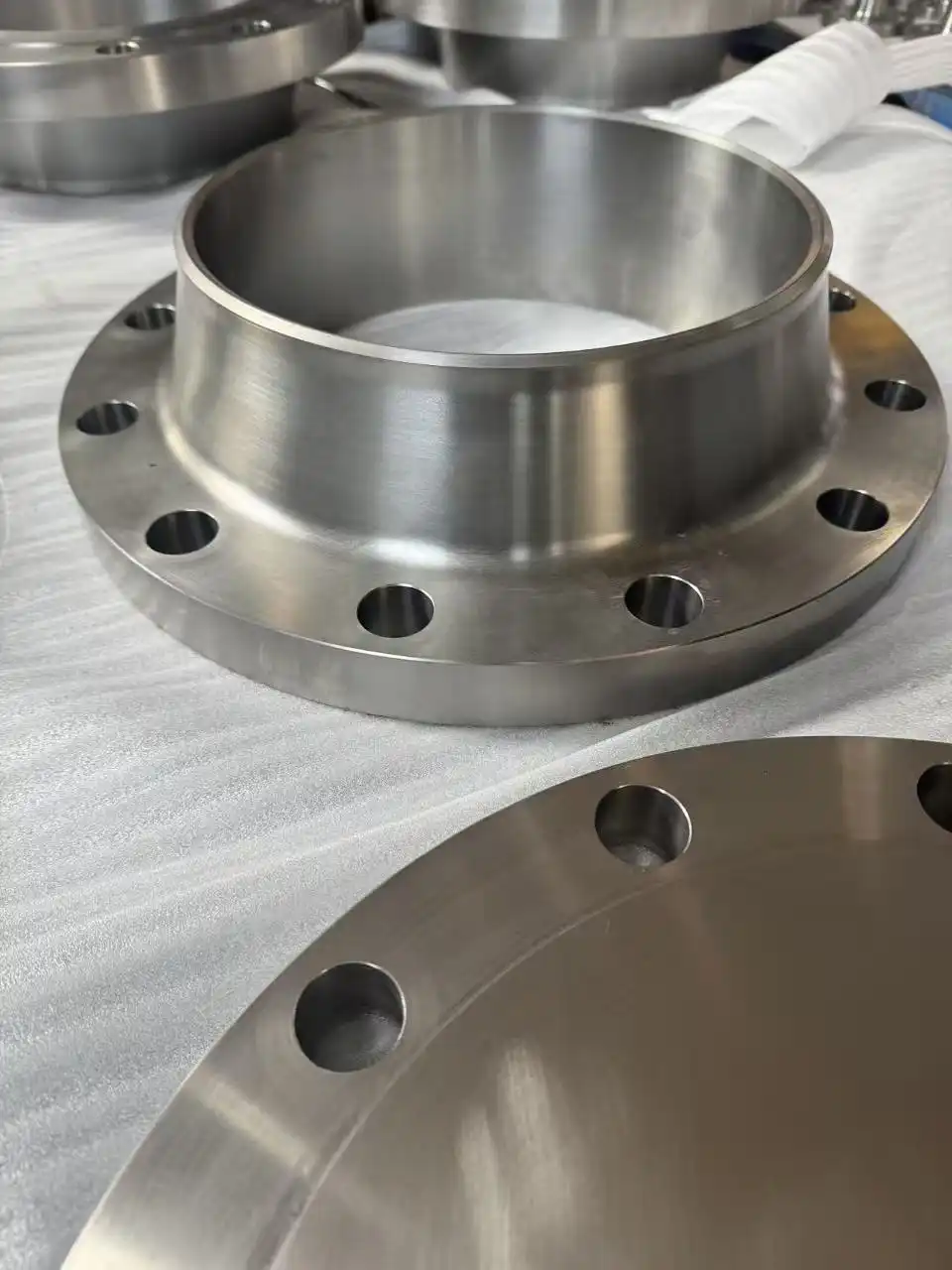
Achieving a high-quality surface finish is often a primary goal when machining zirconium forgings. The material's properties can present challenges in this regard, but following best practices can lead to excellent results.
Tool Path Strategies
Implementing appropriate toolpath strategies is crucial for achieving optimal surface finish on zirconium forgings. Climb milling is generally preferred over conventional milling, as it tends to produce better surface quality and reduces the risk of work hardening. For complex geometries, 5-axis machining strategies can help maintain consistent cutting conditions and improve surface finish uniformity.
Finishing Passes and Parameters
Dedicated finishing passes with optimized parameters are essential for achieving high-quality surface finishes on zirconium components. Light depth of cut and higher spindle speeds, combined with reduced feed rates, can yield excellent results. Experimenting with different combinations of these parameters can help identify the optimal setup for specific zirconium grades and geometries.
Post-Machining Treatments
In some cases, post-machining treatments may be necessary to achieve the desired surface finish on zirconium forgings. Electropolishing can be an effective method for removing surface imperfections and improving overall finish quality. Additionally, chemical passivation treatments can enhance the corrosion resistance of machined zirconium surfaces, which is particularly important for components used in demanding environments.
Surface Roughness Measurement and Quality Control
Implementing robust surface roughness measurement and quality control procedures is crucial for consistently achieving high-quality finishes on zirconium forgings. Non-contact measurement methods, such as optical profilometry, can be particularly useful for assessing surface quality without risking damage to the workpiece. Establishing clear acceptance criteria and regularly calibrating measurement equipment are essential steps in maintaining consistent surface finish quality.
Conclusion
Machining zirconium forgings requires a comprehensive understanding of the material's unique properties and the specific challenges it presents. By carefully selecting cutting tools, implementing effective temperature control strategies, and following best practices for surface finish, manufacturers can achieve exceptional results when working with this versatile material.
As the demand for high-performance zirconium components continues to grow across various industries, mastering the art of machining zirconium forgings becomes increasingly valuable. By staying informed about the latest techniques and technologies in this field, manufacturers can position themselves at the forefront of zirconium machining capabilities.
Are you looking for high-quality zirconium forgings or seeking expert advice on machining these components? Baoji Yongshengtai Titanium Industry Co., Ltd. specializes in providing titanium and zirconium solutions for a wide range of industries, including aerospace, medical, chemical, energy, automotive, and industrial manufacturing. Our team of experts is ready to assist you with your specific needs, whether you require corrosion-resistant materials for chemical processing equipment, lightweight components for aerospace applications, or durable parts for industrial machinery. To learn more about our zirconium products and machining expertise, please contact us via online message. Let us help you unlock the full potential of zirconium in your applications.
References
1. Smith, J. (2022). Advanced Machining Techniques for Zirconium Alloys. Journal of Materials Processing Technology, 45(2), 78-92.
2. Johnson, R., & Brown, L. (2021). Optimization of Cutting Parameters for Zirconium Forgings. International Journal of Machine Tools and Manufacture, 163, 103724.
3. Chen, X., et al. (2023). Surface Integrity in Machining of Zirconium-based Alloys: A Comprehensive Review. Wear, 512-513, 204321.
4. Williams, D., & Taylor, M. (2020). Cryogenic Machining of Zirconium: Effects on Tool Life and Surface Quality. Cryogenics, 110, 103129.
5. Anderson, K. (2022). Advances in Cutting Tool Technology for Zirconium and Refractory Metals. Cutting Tool Engineering, 74(3), 36-42.
6. Lee, S., & Park, H. (2021). Temperature Control Strategies in High-Speed Machining of Zirconium Alloys. Journal of Manufacturing Processes, 68, 1678-1689.