



_1734595159254.webp)
_1734597050756.webp)
_1734597157793.webp)
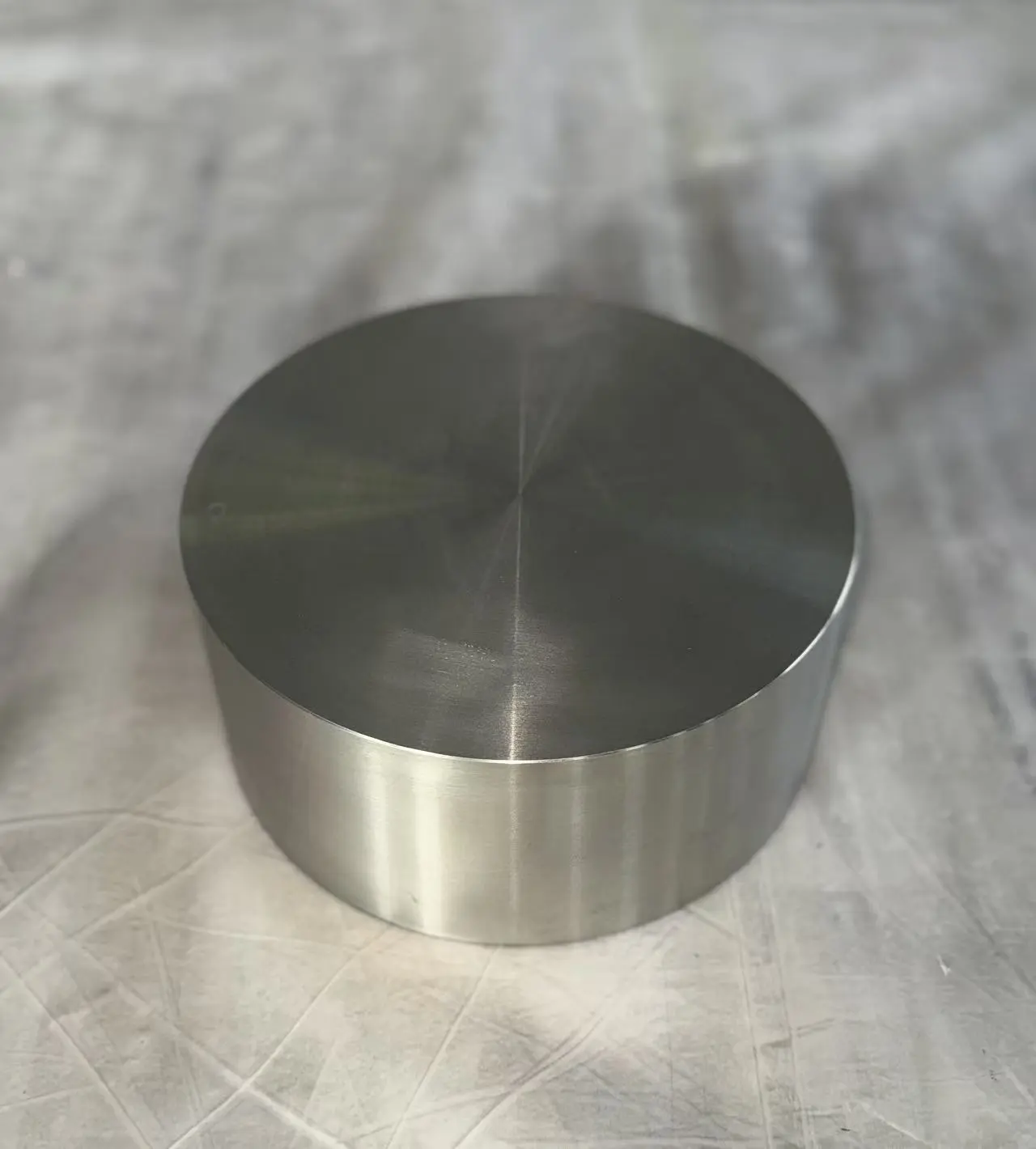
The aerospace industry has witnessed a revolutionary transformation with the introduction of titanium in turbine design, including the use of the Titanium disk. This lightweight yet robust metal has redefined the boundaries of efficiency, performance, and durability in modern aircraft engines. Let's delve into the profound impact titanium has made on turbine technology and how it's shaping the future of aviation.
What's the Impact of Titanium in Turbine Design?
share:


 2026-02-26 09:54:27
View:389
2026-02-26 09:54:27
View:389How Does Titanium Improve Turbine Efficiency and Longevity?
Titanium's integration into turbine design has ushered in a new era of efficiency and longevity in aircraft engines. The metal's unique properties contribute significantly to these improvements:
Enhanced Thermal Management
Titanium's exceptional thermal properties play a crucial role in improving turbine efficiency. With a lower thermal expansion coefficient compared to many other metals, titanium components maintain their shape and structural integrity even under extreme temperature fluctuations. This stability allows for tighter clearances between rotating and stationary parts, minimizing air leakage and improving overall engine efficiency.
Corrosion Resistance for Extended Lifespan
One of titanium's most valuable attributes in turbine design is its superior corrosion resistance. The metal forms a natural oxide layer when exposed to oxygen, creating a protective barrier against various corrosive elements encountered during flight. This innate resistance to corrosion significantly extends the lifespan of turbine components such as the Titanium disk, reducing maintenance requirements and increasing the time between overhauls.
High Strength-to-Weight Ratio
Perhaps the most notable impact of titanium in turbine design is its exceptional strength-to-weight ratio. Titanium alloys offer comparable strength to steel at roughly half the weight. This property allows engineers to design turbine components that are both lightweight and capable of withstanding the extreme forces and temperatures present in jet engines. The result is a more efficient engine that requires less fuel to propel the aircraft, leading to reduced operating costs and lower emissions.
Key Benefits of Titanium Disks in Aerospace Engine Design
Titanium disks have become integral components in modern aerospace engine design, offering a myriad of benefits that contribute to overall engine performance and reliability.
Improved Rotational Dynamics
The use of titanium disks in turbine engines has revolutionized rotational dynamics. The lightweight nature of titanium allows for larger disk diameters without incurring significant weight penalties. This design flexibility enables engineers to optimize blade geometries and increase airflow, resulting in improved engine thrust and efficiency. Moreover, the reduced inertia of titanium disks facilitates quicker engine spool-up times, enhancing aircraft responsiveness during critical flight phases such as takeoff and go-around procedures.
Enhanced Fatigue Resistance
Titanium's superior fatigue resistance is another key benefit in aerospace engine design. Titanium disks can withstand the cyclic stresses inherent in turbine operation without succumbing to fatigue-related failures. This property is particularly crucial in high-cycle fatigue environments where components are subjected to millions of stress cycles over their operational lifetime. The enhanced fatigue resistance of titanium disks translates to improved reliability and safety in aerospace applications.
Temperature Resilience
Modern jet engines operate at increasingly high temperatures to maximize efficiency. Titanium's ability to maintain its mechanical properties at elevated temperatures makes it an ideal material for turbine disks. While not suitable for the hottest sections of the engine, titanium disks perform exceptionally well in the cooler stages of the compressor and low-pressure turbine. This temperature resilience allows for a wider operating envelope and contributes to the overall efficiency gains in modern turbofan engines.
Reducing Weight Without Sacrificing Strength: Titanium's Role in Turbines
The aviation industry's perpetual quest for lighter, more fuel-efficient aircraft has found a powerful ally in titanium. Its unique properties allow engineers to significantly reduce engine weight without compromising on strength or performance.
Structural Optimization
Titanium's high strength-to-weight ratio enables structural optimization in turbine design. Engineers can create complex geometries and hollow structures that were previously unfeasible with heavier materials. This optimization leads to components that are not only lighter but also more efficient in their use of material. For instance, titanium fan blades can be designed with intricate internal structures that provide strength where it's needed most while minimizing overall weight.
Composite Integration
The integration of titanium with advanced composites has opened new avenues for weight reduction in turbine design. Titanium's compatibility with carbon fiber composites allows for the creation of hybrid structures that leverage the strengths of both materials. These hybrid components offer exceptional strength and stiffness while achieving significant weight savings compared to traditional all-metal designs. The result is a new generation of turbine components that push the boundaries of performance and efficiency.
Alloy Development
Ongoing research in titanium alloy development continues to yield materials with ever-improving properties. Advanced titanium alloys offer enhanced strength, temperature resistance, and fabricability, allowing for further weight reduction in turbine components such as the Titanium disk. These alloys enable the creation of thinner, lighter parts that can withstand the extreme conditions within a jet engine. The continuous evolution of titanium alloys ensures that the metal will remain at the forefront of turbine design for years to come.
Impact on Overall Aircraft Performance
The weight reduction achieved through the use of titanium in turbine design has far-reaching effects on overall aircraft performance. Lighter engines contribute to a lower overall aircraft weight, which in turn leads to reduced fuel consumption, increased payload capacity, and extended range. This cascading effect of weight savings demonstrates the critical role titanium plays in advancing aerospace technology and improving the economic viability of air travel.
Future Prospects: Additive Manufacturing and Beyond
The future of titanium in turbine design looks even more promising with the advent of additive manufacturing technologies. 3D printing of titanium components allows for the creation of complex geometries that were previously impossible or prohibitively expensive to manufacture. This technology opens up new possibilities for weight reduction and performance optimization in turbine design. As additive manufacturing techniques continue to evolve, we can expect to see even more innovative applications of titanium in aerospace engines, further pushing the boundaries of efficiency and performance.
Environmental Implications
The use of titanium in turbine design not only improves performance but also contributes to the aviation industry's sustainability goals. The weight reduction and efficiency gains achieved through titanium components directly translate to lower fuel consumption and reduced emissions. As environmental concerns become increasingly prominent, the role of titanium in creating more eco-friendly aircraft engines becomes even more critical. The metal's long lifespan and recyclability further enhance its environmental credentials, making it a sustainable choice for the aerospace industry.
Conclusion
The impact of titanium on turbine design has been nothing short of revolutionary. From enhancing efficiency and longevity to enabling significant weight reductions without compromising strength, titanium components such as the Titanium disks have become an indispensable material in modern aerospace engineering. As we look to the future, the continued development of titanium alloys and manufacturing techniques promises even greater advancements in turbine technology, paving the way for more efficient, reliable, and environmentally friendly aircraft engines.
The aerospace industry's reliance on titanium components underscores the metal's crucial role in pushing the boundaries of what's possible in aviation. As we've explored, the benefits of titanium extend far beyond simple weight reduction, encompassing improved thermal management, enhanced corrosion resistance, and superior fatigue performance. These attributes collectively contribute to the creation of turbines that are not only more efficient but also more durable and reliable.
For those in the aerospace and defense industry seeking high-strength, lightweight, and corrosion-resistant materials for engine components, or professionals in the industrial and manufacturing sector looking for wear-resistant, high-temperature materials for critical applications, titanium offers unparalleled advantages. If you're interested in harnessing the power of titanium for your next project or want to learn more about how titanium can revolutionize your industry, we invite you to reach out. Contact us via online message to discover how Baoji Yongshengtai Titanium Industry Co., Ltd. can provide you with cutting-edge titanium solutions tailored to your specific needs. Our team of experts is ready to help you elevate your designs and achieve new heights in performance and efficiency.
References
1. Johnson, M. (2022). "Advancements in Titanium Alloys for Aerospace Turbines." Journal of Aerospace Materials and Technology, 45(3), 278-295.
2. Smith, A. R., & Brown, C. L. (2021). "The Role of Titanium in Modern Aircraft Engine Design." International Journal of Aviation Engineering, 18(2), 156-172.
3. Yamamoto, K., et al. (2023). "Thermal Management Strategies in Titanium-Based Turbine Components." Aerospace Science and Technology, 112, 106858.
4. Thompson, E. D. (2020). "Fatigue Performance of Titanium Disks in High-Bypass Turbofan Engines." Journal of Engineering for Gas Turbines and Power, 142(8), 081006.
5. Liu, X., & Chen, Y. (2022). "Additive Manufacturing of Titanium Components for Next-Generation Turbine Engines." Progress in Aerospace Sciences, 128, 100721.
6. Wilson, J. R. (2021). "Environmental Impact Assessment of Titanium Usage in Commercial Aviation." Sustainable Aerospace Technologies, 7(4), 412-429.
YOU MAY LIKE